Latest GST News 2025: New Tax Slabs, Lower Rates on Cars & Insurance
Discover the latest GST updates 2025 – new tax slabs, reduced GST on small cars, two-wheelers, and insurance. Learn how GST reforms impact consumers, businesses, and the economy.
 shruti
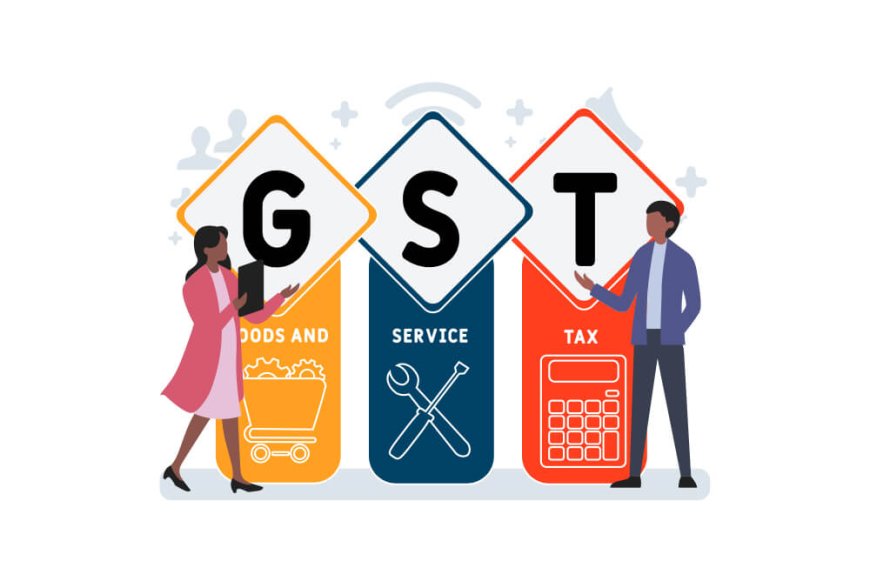
Introduction: GST Reforms 2025
The Government of India has announced a major GST overhaul in 2025, aiming to simplify the tax system and boost consumer demand. The new structure proposes fewer tax slabs, cheaper cars and two-wheelers, and reduced GST on insurance premiums. While businesses and households may celebrate, experts caution about revenue losses for states and the central government.
New GST Slabs in 2025
The existing four-tier GST system (5%, 12%, 18%, 28%) may soon be replaced by a simplified model:
- 5% GST – For essential and mass-consumption items.
- 18% GST – For most goods and services.
- 40% GST – For luxury and sin goods such as tobacco, high-end vehicles, and premium alcohol.
👉 This two-slab GST system is being called “GST 2.0” and is designed to make compliance easier and taxation more transparent.
GST Cut on Cars and Two-Wheelers
One of the biggest highlights of the GST reforms is the reduction of GST on small cars and two-wheelers from 28% to 18%.
- Impact on consumers: Vehicles could become 10% cheaper, boosting middle-class affordability.
- Impact on industry: Auto companies are expected to see higher demand, especially in rural and semi-urban markets.
- Stock market response: Auto sector stocks have already surged after the GST news.
This move could revive India’s automobile sector, which has faced slow growth in recent years.
GST on Insurance Premiums
The government is also considering lowering GST on health and life insurance premiums from 18% to 5% or even 0%.
Positive for policyholders: Lower premiums may encourage more families to buy insurance.
Concerns from insurers: Without Input Tax Credit (ITC), insurance companies may face higher costs, which could lead to costlier premiums in the long run.
Economic Impact of GST Reforms
Benefits for the Economy
- Analysts predict a ₹2.4 lakh crore boost in consumer demand.
- GDP growth may increase by 0.5% to 0.7% in FY 2025-26.
- Sectors like automobiles, insurance, and FMCG are expected to benefit the most.
Challenges Ahead
- The government could lose around ₹1.1 trillion annually in GST revenue (0.3% of GDP).
- States may face ₹7,000–9,000 crore losses each year.
- Bond markets are showing concern, with yields rising due to fears of fiscal strain.
Why the GST Overhaul Now?
The timing is significant. With the festive season and elections approaching, the government is keen to boost household sentiment. Lower taxes on cars, insurance, and essential goods are expected to drive consumption during Diwali and beyond.
Additionally, with global trade uncertainties, India is focusing on domestic demand-led growth, and GST reforms play a crucial role in this strategy.
FAQs on Latest GST News 2025
Q1. What are the new GST slabs in India 2025?
Ans: Proposed slabs are 5%, 18%, and 40% (luxury/sin goods).
Q2. What is the GST rate on cars in 2025?
Ans: GST on small cars and two-wheelers may be reduced from 28% to 18%.
Q3. Will GST on insurance be reduced?
Ans: Yes, GST on life and health insurance premiums could drop to 5% or even 0%.
Q4. How will GST reforms impact the economy?
Ans: They may boost demand by ₹2.4 lakh crore, increase GDP by 0.5–0.7%, but also reduce government revenues.
Conclusion: What It Means for You
The latest GST news 2025 marks one of the most ambitious reforms since the tax was introduced in 2017. For consumers, it promises cheaper cars, affordable insurance, and lower costs on essentials. For businesses, it means simplified compliance and a potential demand surge.
However, the government must balance these gains against revenue losses and state concerns. If executed well, GST 2.0 could be a turning point for India’s consumption story.